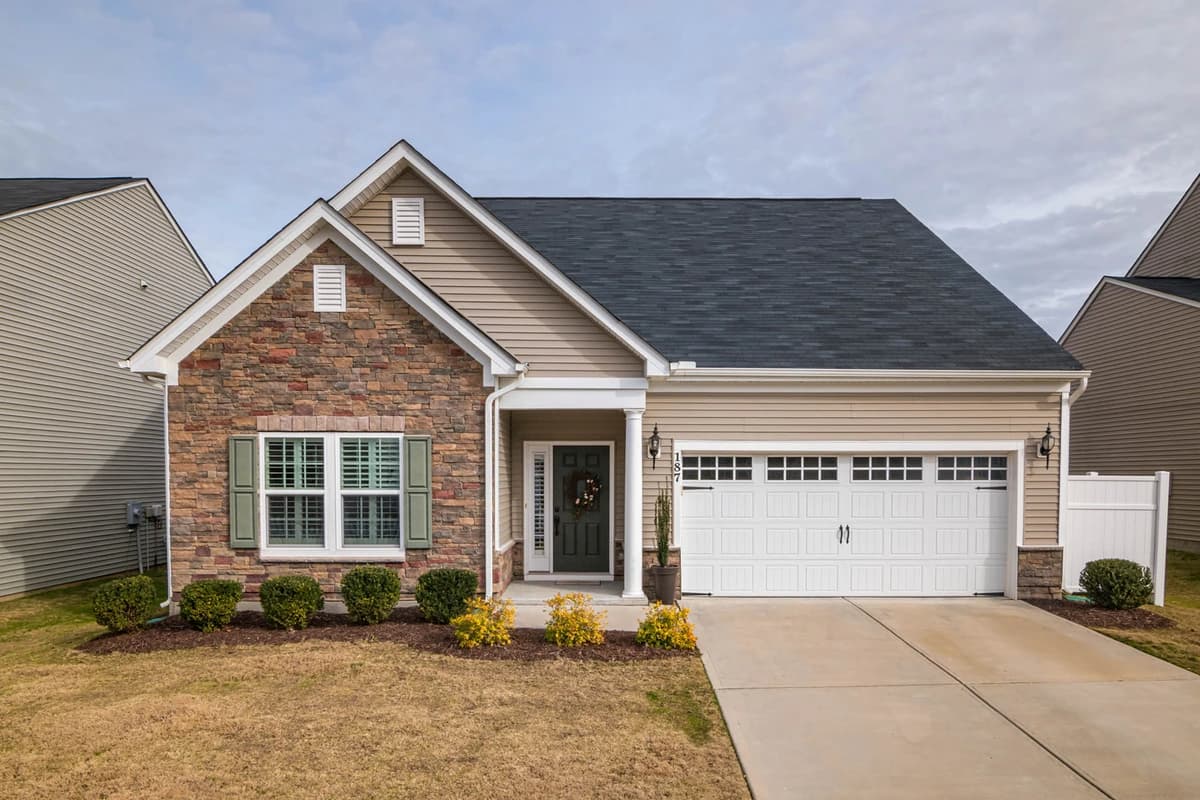


Nearly $70,000 paid.Where did it go?
Mortgage Mismanagement led to the servicer applying the payments wrong.
- Sale Closed:
- January 2023
- Purchase Price:
- $445,000
- Down Payment:
- $100,000
- Loan Amount:
- $345,000
$69,755.30 in total payments made:
- Scheduled Payments (20):
- $46,486.60
- Additional Payments Made Towards Principal:
- $23,268.70
$23,268.70 unaccounted
Statements only reflected $46,486.60, not the additional payments made.
Here’s what the files revealed:
Interest Calculations Didn’t Match the Loan Agreement
Over a ten month period the bank calculated the interest inconsistently instead of following the loan agreement. For March 2023, it calculated $1,885.68 in interest instead of the required $2,048.44. The $162.6 difference affected how the payment was split between the interest and the principal.
Payments Reversed and Reapplied
The bank reversed previously recorded payments and reapplied them, making it harder to follow where the money went. The bank acknowledged that these changes made the transaction report confusing.
Monthly Statements Didn’t Reflect Additional Payments
The borrowers paid an extra $23,268.70 toward their principal, but monthly statements showed only the scheduled $2,324.33 payment. This made it impossible to track how those additional payments were applied from the statements alone.
Loan Disclosures Understated Borrowing Costs
The lender calculated the loan’s lifetime finance charge using the 7.125% introductory rate, even though the fully indexed rate at closing was about 9.125%. The examiner’s recalculation found that the disclosed borrowing costs were understated, meaning the borrowers were shown a loan that appeared substantially less expensive over its lifetime.
- Disclosed finance charge:
- $493,311
- Examiner’s recalculation:
- $623,673
$130,361.65 understatement
How these issues were found:
The loan agreements were compared against payment records, monthly statements, and closing disclosures. The inconsistencies and errors were uncovered by recalculating interest, tracing payments, and rebuilding the disclosed borrowing costs.
The outcome:
The homeowner was so frustrated they refinanced their entire loan with another lender.
What the Homera Check would have caught:
The Homera Check would have flagged the understated borrowing costs before signing. The disclosures used the 7.125% introductory rate to calculate lifetime costs, although the fully indexed rate at closing was about 9.125%. That was the discrepancy behind the examiner’s $130,361.65 finding.
What the Homera Monitor would have caught:
The Homera Monitor would have flagged the misapplied payments and inaccurate statements.

Uncovered using the forensic methodology Homera is built on.
Would you have caught this before signing or during payment?
This homeowner and the bank didn't know what to look for. Most people wouldn't. The Homera Check and Homera Monitor were designed to prevent this from happening.
Homera independently checks the numbers, terms and activity behind your mortgage — before you sign and for as long as you own your home.